Vacation Rental Winterization Checklist for Property Managers
Use this vacation rental winterization checklist to protect pipes, service heat and alarms, prep the exterior and brief guests before cold weather arrives.
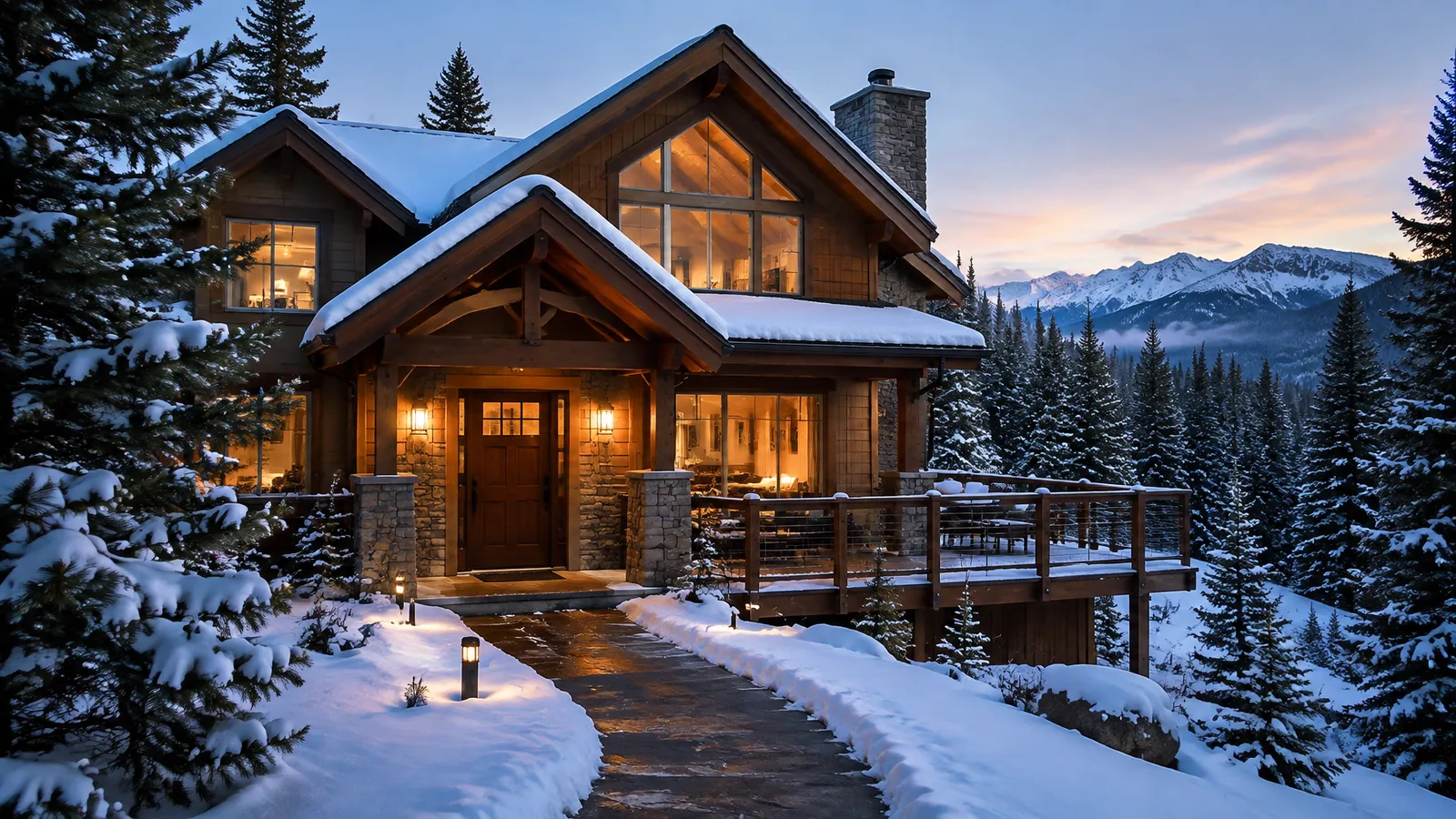
A vacation rental winterization checklist covers four things: protecting pipes from freezing, servicing heat and safety alarms, preparing the exterior, and briefing guests and vendors before cold weather arrives. Because rentals often sit empty between winter stays, they need a stricter routine than a home someone lives in full time.
Below: what winterizing means for occupied and vacant rentals, timing, pipes, heating and alarms, the exterior, a full checklist, guest prep and storm plans.
Key Takeaways
A rental survives winter undamaged when winterization is a per-property routine that continues at every turnover, not a single fall task.
| Point | Details |
|---|---|
| Start before the first freeze | Drain outdoor lines, service heat and insulate pipes per property, ahead of the cold. |
| Keep heat on between stays | The Red Cross advises no lower than 55° F when a home is unoccupied in cold weather. |
| Test alarms at turnovers | Smoke and carbon monoxide alarms with battery backup on every level, tested and logged. |
| Brief guests clearly | Thermostat rules, cold-snap steps, safety rules and a 24/7 contact. |
| Have a storm plan | Use a Winter Storm Watch as the trigger to check homes, message guests and line up vendors. |
Table of Contents
- What Does Winterizing a Vacation Rental Mean?
- When Should You Start Winterizing a Rental?
- How Do You Protect Vacation Rental Pipes From Freezing?
- Which Heating, Fire and Carbon Monoxide Checks Matter Before Winter?
- How Do You Prepare the Exterior and Outdoor Amenities?
- The Vacation Rental Winterization Checklist
- How Should You Prepare Guests for a Winter Stay?
- What Should You Do When a Winter Storm Is Forecast?
- What Do Operators Get Wrong About Winterization?
- How RealtevoOS Handles Winter Maintenance
- Frequently Asked Questions About Winterizing a Vacation Rental
- Sources
What Does Winterizing a Vacation Rental Mean?
Winterizing a vacation rental means preparing the plumbing, heating, safety devices, exterior and guest information so the home survives cold weather without damage and stays safe for every group that books it.
- Occupied winterization — the home keeps hosting guests. Water and heat stay on, and the focus is frozen-pipe prevention, reliable heat and alarms, clear access and guest briefings.
- Vacant winterization — the home closes for the season or sits empty between bookings. Thermostat settings, water shutoff decisions and scheduled checks matter most because nobody is there to notice a problem.
Either way, winterization is a seasonal checklist plus per-turnover checks and a storm plan, not a one-day task.
When Should You Start Winterizing a Rental?
Start before the first hard freeze in your market, because the most important tasks — draining outdoor lines, servicing heat and insulating exposed pipes — have to be finished before temperatures drop.
- Plan by market — a mountain cabin and a coastal condo need different start dates. Set the date per property.
- Book vendors early — heating technicians, plumbers and snow-removal contractors get busy as the season turns.
- Watch the forecast — Ready.gov advises paying attention to warnings of freezing weather and signing up for your community's warning system (Ready.gov — Winter Weather). The National Weather Service publishes winter forecasts and a Winter Storm Severity Index (NWS — Winter Safety).
How Do You Protect Vacation Rental Pipes From Freezing?
Keep the heat on, insulate pipes in unheated spaces, drain and shut off outdoor lines, and make sure guests and staff know how to keep water moving during extreme cold.
The American Red Cross explains that water expands as it freezes, which puts pressure on metal and plastic pipes until they can break. It lists the pipes that freeze most often: outdoor hose bibs, swimming pool supply lines and sprinkler lines; supply pipes in unheated areas such as basements, crawl spaces, attics, garages and kitchen cabinets; and pipes that run along poorly insulated exterior walls (Red Cross — How to prevent and thaw frozen pipes).
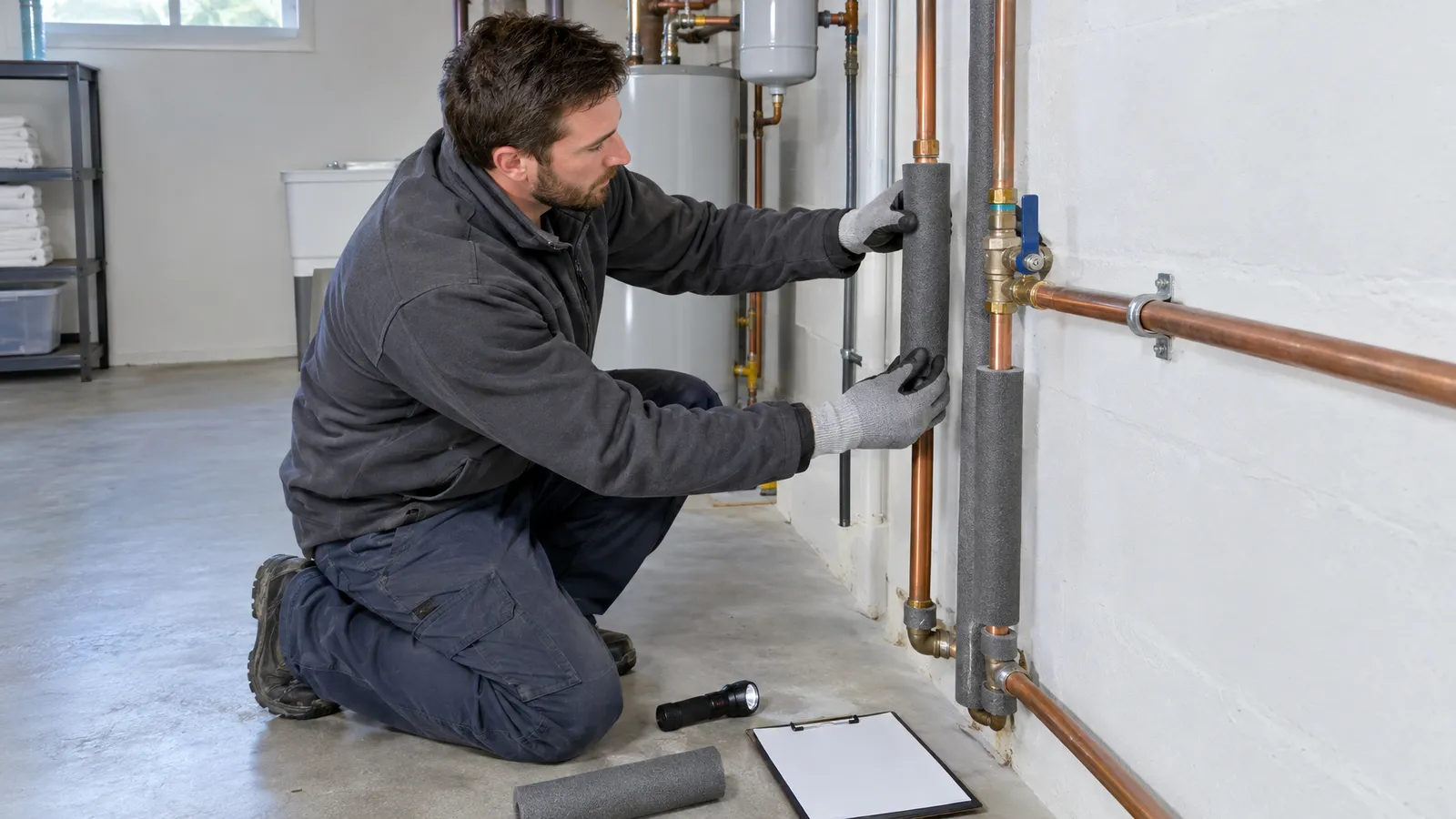
- Outdoor lines — drain pool and sprinkler supply lines following the manufacturer's or installer's directions; remove, drain and store hoses; close the inside valves supplying outdoor hose bibs and leave the outside bibs open so remaining water can expand. The Red Cross advises against putting antifreeze in these lines unless directed.
- Insulation — add insulation to attics, basements and crawl spaces, and insulate both hot and cold water pipes in unheated areas. The Red Cross mentions pipe sleeves and UL-listed heat tape or heat cable as options for exposed pipes.
- Thermostat — the Red Cross recommends keeping the thermostat at the same temperature day and night during cold weather, and, if you will be away, leaving the heat on at no lower than 55° F. For a rental, that means locking out or limiting very low settings and confirming the setting after each checkout.
- Cabinets and dripping faucets — in very cold weather the Red Cross suggests opening kitchen and bathroom cabinet doors so warm air reaches the plumbing, and letting cold water drip from faucets served by exposed pipes.
Write these steps into each property's SOP. If a guest reports only a trickle from a tap, treat it as a possible frozen pipe and dispatch a qualified plumber.
Which Heating, Fire and Carbon Monoxide Checks Matter Before Winter?
Service every heat source, test every smoke and carbon monoxide alarm, and confirm guests have no reason to improvise heat.
- Heating service — have furnaces, boilers, heat pumps and water heaters inspected by a qualified technician before the season. The EPA lists leaking chimneys and furnaces, back-drafting from furnaces, gas water heaters, wood stoves and fireplaces, and poorly maintained combustion devices among the sources of carbon monoxide in homes (EPA — Carbon monoxide's impact on indoor air quality).
- Carbon monoxide alarms — Ready.gov advises installing carbon monoxide detectors with battery backup on every level of the home (Ready.gov — Power Outages).
- Smoke alarms — the U.S. Fire Administration recommends testing smoke alarms monthly, replacing 9-volt batteries at least once a year and replacing the entire alarm every 10 years, and putting alarms on every level and inside and outside sleeping areas (USFA — Smoke alarms).
- No improvised heat — Ready.gov warns never to heat a home with a gas stovetop or oven and to use generators and grills only outdoors. Put that in your house rules.
Monthly alarm tests fit naturally into turnover inspections — log a pass or fail each time.
How Do You Prepare the Exterior and Outdoor Amenities?
Seal the envelope, secure outdoor equipment and arrange snow and ice removal before guests need it.
- Seal drafts — Ready.gov and the Red Cross both recommend keeping out the cold with insulation, caulking and weather stripping. Check doors, windows and attic hatches.
- Gutters and roof — clear gutters and downspouts and look for loose roofing or overhanging branches before snow and ice add weight.
- Walkways and parking — line up a snow-removal vendor or a staff plan, and stock a snow shovel and ice-melting products, which the Red Cross lists among winter storm supplies (Red Cross — Winter storm safety).
- Outdoor amenities — winterize or service pools, outdoor showers, irrigation and hot tubs according to the manufacturer.
The Vacation Rental Winterization Checklist
Use this checklist once per property before the season, then repeat the short version at every winter turnover.
Before the season
- Set a winterization date for each property based on its local climate.
- Schedule heating, chimney and water-heater service with qualified technicians.
- Drain and shut off outdoor hose bibs, irrigation and pool supply lines per manufacturer directions; store hoses.
- Insulate exposed pipes in crawl spaces, attics, garages and under sinks.
- Label the main water shutoff and make sure staff and vendors know where it is.
- Test every smoke and carbon monoxide alarm and replace batteries or units that fail.
- Seal drafts, clean gutters and inspect the roof.
- Stock a snow shovel, ice melt, flashlights, spare batteries and blankets.
- Confirm a snow-removal vendor, a backup plumber and thermostat limits.
- Update the welcome book and guest messages with winter instructions.
At every winter turnover
- Confirm the heat is on and set correctly; check for drafts or cold rooms.
- Run every faucet and check for low flow, leaks or water stains.
- Test smoke and carbon monoxide alarms (or confirm the monthly test is logged).
- Check walkways, steps and parking for ice; clear and treat as needed.
- Photograph anything unusual and open a maintenance ticket before the next guest arrives.
This is where a shared system pays off: when every item lives in one checklist with photos and tickets, as it does in RealtevoOS maintenance tracking, nobody has to remember which cabin has the crawl-space valve. For the year-round version, see our vacation rental maintenance checklist for property managers.
How Should You Prepare Guests for a Winter Stay?
Tell guests what to expect before they arrive and give them a short list of things to do — and not do — in cold weather.
- Pre-arrival message — road and parking conditions and whether four-wheel drive is advisable.
- Thermostat rules — ask guests not to turn the heat below a set level, and explain why.
- Safety rules — no grills, generators or stovetop heating indoors; where the flashlights are.
- Who to call — a 24/7 contact for leaks, no heat or power outages.
Put the same content in your guidebook so it is there when guests need it — our vacation rental welcome book guide covers how to structure it.
What Should You Do When a Winter Storm Is Forecast?
Move from routine to storm mode as soon as a watch is issued: check the property, brief guests and line up vendors before the weather arrives.
- Know the alerts — Ready.gov explains that Winter Storm Watches are usually issued 12 to 48 hours before a storm and Winter Storm Warnings 12 to 24 hours before the event is expected to begin. Use the watch as your trigger to prepare.
- Expect outages — Ready.gov notes a winter storm can cut off heat, power and communication services and can last a few hours or several days.
- Power outage guidance — Ready.gov advises keeping refrigerators and freezers closed — a refrigerator keeps food cold for about four hours and a full freezer holds its temperature for about 48 hours — and disconnecting appliances and electronics to avoid damage from surges when power returns.
- Guest communication — message current and arriving guests with what to expect and how to reach you. Decide in advance how you handle date changes.
Your winter storm plan should sit inside your broader vacation rental emergency response plan so roles and contacts are already defined.
What Do Operators Get Wrong About Winterization?
The most common mistake is treating winterization as a one-time fall task instead of a routine that continues through every winter stay.
- Setting the heat too low between stays — saving on heating while a home sits empty can turn into a burst pipe. The Red Cross guidance of leaving heat at no lower than 55° F when away exists for a reason.
- Forgetting hidden plumbing — pipes in crawl spaces, garages and cabinets on exterior walls freeze first, and they are the ones nobody sees during a quick turnover.
- Relying on guests to notice — guests leave, and the next arrival may not report a slow faucet. Build checks into turnovers.
- One plan for every property — a lakeside cottage and a ski-area condo need different checklists.
How RealtevoOS Handles Winter Maintenance
RealtevoOS keeps the winterization routine, the people doing it and the guest communication in one operating system instead of scattered texts and spreadsheets.
- Maintenance tracking — log winterization tasks, issues and fixes per property.
- Crew coordination — assign turnover and inspection work so winter checks happen at every visit.
- Unified guest inbox and 24/7 AI guest messaging — send winter instructions and answer guest questions about heat or parking from one inbox.
- AI that learns your SOPs — teach it your property-specific winter steps so answers stay consistent.
- Owner reports — show owners the maintenance work completed on their property.
RealtevoOS does not replace a licensed plumber or heating technician. It makes sure the right task reaches the right person, and that you have a record when it is done.
Frequently Asked Questions About Winterizing a Vacation Rental
When should I winterize my vacation rental?
Before the first hard freeze in that property's market. Finish outdoor line draining, heating service and pipe insulation before temperatures drop, and book vendors early in the fall.
What temperature should I keep a vacant vacation rental at in winter?
The American Red Cross advises leaving the heat on at no lower than 55° F when you are away during cold weather. Follow any stricter guidance from your heating technician or insurer.
Do I need to shut off the water in a winterized rental?
If the home stays open to guests, the water stays on and you protect pipes with heat, insulation and checks. For a long vacancy, decide with a licensed plumber whether to shut off and drain the system.
How often should smoke and carbon monoxide alarms be tested?
The U.S. Fire Administration recommends testing smoke alarms monthly. In a rental, building alarm tests into turnover inspections and logging the result keeps that schedule on track.
What should I tell guests during a winter stay?
Road and parking conditions, thermostat rules, what to do during a cold snap, safety rules about indoor heating and grills, and a 24/7 contact for leaks, no heat or power outages.