Vacation Rental Interior Design Guide: Moves That Boost Bookings
Discover eight powerful interior design strategies to enhance your vacation rental's appeal, boost bookings, and maximize revenue.
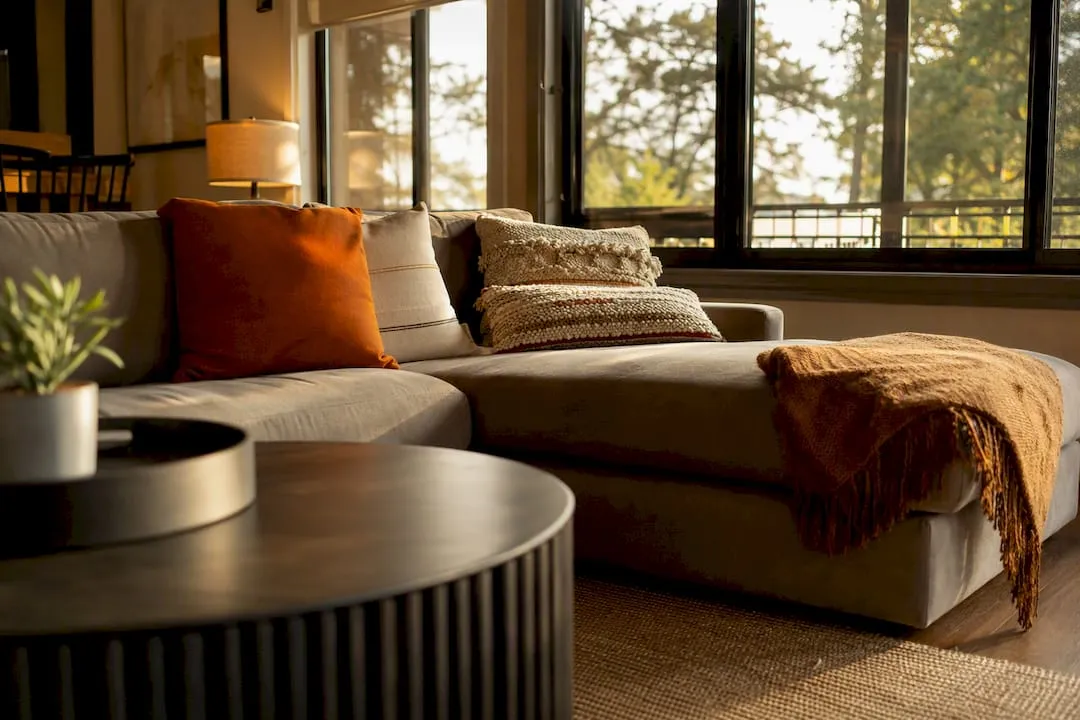
Vacation Rental Interior Design Guide: Moves That Boost Bookings
Eight high-impact interior design moves reliably boost bookings and reduce turnover costs for vacation rentals. Get these right and you’re not decorating, you’re building a revenue system: better photos, hotel-quality sleep, durable materials, layered lighting, one cohesive style, a stocked kitchen, the amenities guests filter for, and finishes that clean fast.
- Professional photography → higher click-through on every platform search
- Hotel-weight bedding and a real mattress → higher nightly rate tolerance
- Durable, high rub-count fabrics → fewer replacements, fewer bad-review photos
- Layered lighting (ambient, task, accent) → better photos, better evening feel
- One cohesive style and palette → faster styling decisions, stronger brand
- A genuinely stocked kitchen → longer stays, better reviews
- Guest-expected tech and amenities → fewer disqualifying filters
- Easy-clean, washable finishes → shorter turnovers, lower labor cost
Pro Tip: If you only have $3,500 to spend, put up to $3,500 into professional photography and $1,500 into hotel-quality white linens before you touch furniture. Guests book off photos and sleep off linens, in that order.
Key Takeaways
The highest-return interior design moves for vacation rentals are hotel-quality sleep, professional photography, and durable finishes that protect nightly rate and cut turnover time.
| Point | Details |
|---|---|
| Prioritize sleep and photos | Spend early on mattresses, hotel-weight linens, and professional photography before decorative purchases. |
| Use the 70/30 rule | Keep 70% of the palette neutral and swap the remaining 30% in low-cost, replaceable accents. |
| Buy for durability once | Choose high rub-count fabrics and washable slipcovers to avoid replacing furniture within a year. |
| Match budget to refresh level | A small refresh runs $2,000 to $5,000, while a full redesign starts at a significantly higher budget level and takes months. |
| Automate turnovers with Realtevoos | Use RealtevoOS to track maintenance and cleaning across properties so design quality holds between guests. |
Table of Contents
- Define Your Target Guest, Occupancy Goals, and Pricing Objective
- Choose a Cohesive Style, Color Palette, and Build a Simple Moodboard
- Bedrooms: Mattress, Bedding, Lighting, Storage, and Blackout Solutions
- Living and Dining: Scale Furniture, Flow, and Durable Seating for Groups
- Kitchen: Durable Finishes, Essentials to Stock, and Safety Basics
- Materials, Finishes, and Maintenance-Friendly Choices for Faster Turnovers
- Lighting, Art, and Local Touches That Elevate Photos and Guest Experience
- Amenities and Tech Guests Expect in 2026
- Safety Basics, Accessibility, and Clear House Rules
- Staging and Photography That Convert Browsers Into Bookings
- Sample Budgets, Realistic Timelines, and a Simple ROI Rule of Thumb
- Quick Design Rules: 3-5-7, 70/30, Focal Points, and Layering
- Design Choices That Reduce Turnover Time and Maintenance
- Author Perspective: The Design Choices We Recommend Most Often
- Protecting Your Design Investment With Operational Automation
- Frequently Asked Questions
- Sources
Define Your Target Guest, Occupancy Goals, and Pricing Objective
Design decisions without a guest profile are just spending. Pick one primary persona, families, couples, remote workers, or groups, and let it drive every purchase.
- Families: bunk options or a crib-ready layout, durable washable fabrics, a stocked kids’ kit
- Couples: a statement bed, soaking tub or rain shower, quiet outdoor seating
- Remote workers: a real desk, strong Wi-Fi, blackout blinds for calls at odd hours
- Groups: extra seating capacity, a large dining table, multiple bathrooms if possible
Set three numbers before you shop: your target occupancy percentage, your average daily rate (ADR) goal, and a minimum review score you won’t drop below. Then run a quick alignment check:
- Does the listing copy match what the design actually delivers?
- Does the hero photo show the feature that persona searches for?
- Would this guest book again based on the photos alone?
Choose a Cohesive Style, Color Palette, and Build a Simple Moodboard
Skip the mood-board rabbit hole. A three-step process gets you to a photographable, on-brand style faster than endless Pinterest scrolling.
- Pull cues from the location. A mountain cabin and a beach condo shouldn’t share a palette; guests expect the interior to echo the destination.
- Filter through your guest persona. Couples respond to moodier, romantic tones; families need brighter, lower-maintenance colors.
- Lock a photography-forward base. Neutral walls and large furniture pieces photograph consistently across lighting conditions and seasons.
This keeps the space feeling fresh without a full redesign, and it’s the same logic that 2026 short-term rental trends point to, favoring neutral bases with strategic pops of color.
Build a one-page moodboard with: three color swatches, one hero photo of the intended look, and three replaceable accents (pillows, art, a throw).
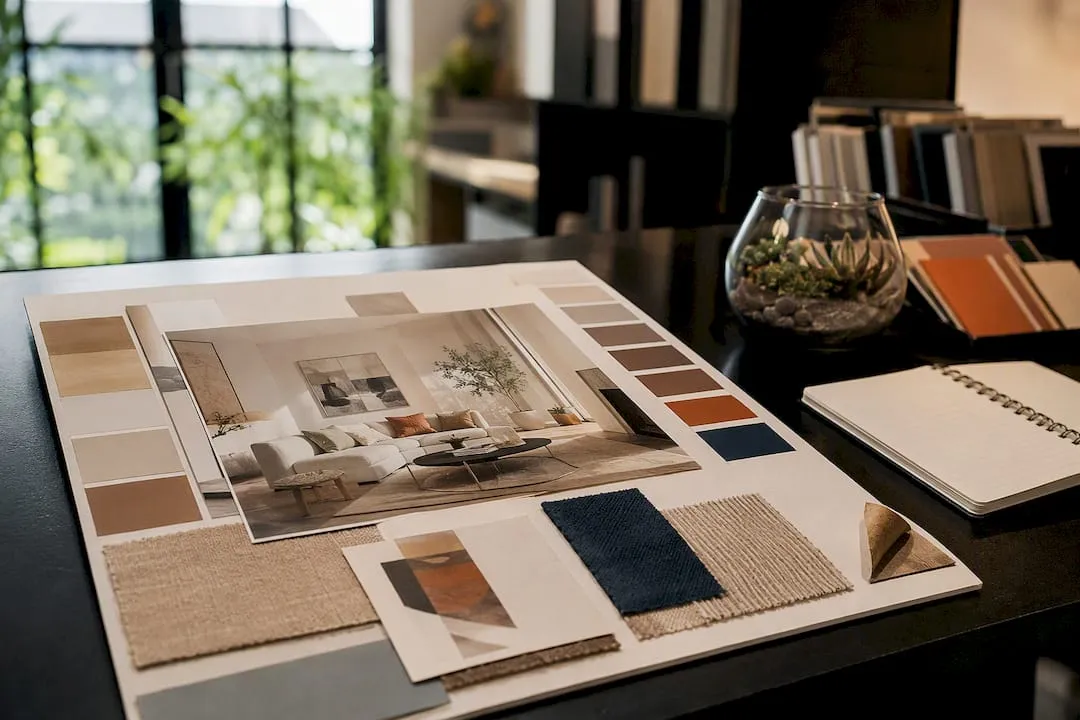
Pro Tip: If you manage more than one property, standardize your neutral anchors, sofas, rugs, cabinetry, and only vary the swappable accents by unit. It cuts sourcing time dramatically across a portfolio.
Bedrooms: Mattress, Bedding, Lighting, Storage, and Blackout Solutions
The bedroom is where reviews are won or lost. A quality mattress, blackout curtains, and adequate storage are treated as non-negotiables in furnishing guidance for holiday rentals, and they show up constantly in negative reviews when missing.
- Medium-firm, guest-tested mattress on every bed
- Hotel-weight white linens, at least two full sets per bed
- Mattress protector on every mattress, replaced on a fixed rotation
Bedside practicalities matter as much as the bed itself:
- Nightstand with an accessible outlet or USB port within reach
- Blackout curtains or blinds, not just sheers
- Luggage rack or bench, plus wall hooks near the closet
- A lamp with a warm bulb, not an overhead-only setup
For frames and upholstered headboards, choose solid wood or metal frames over particleboard, and pick a headboard fabric you can spot-clean. Rotate mattresses seasonally and replace protectors annually to keep guest-facing quality consistent.
Living and Dining: Scale Furniture, Flow, and Durable Seating for Groups
Furniture that doesn’t match your advertised capacity generates complaints fast. If you list a property for eight guests, the dining table needs to seat eight, or you need a clearly stated extendable option.
- Leave at least 30 inches of walking clearance around seating areas
- Keep coffee tables within easy reach of every seat, not just the sofa’s center
- Build one “focal photo” moment, a statement rug, an accent chair, or a piece of local art that gives the listing a saveable image
For fabric, prioritize performance-grade or high rub-count upholstery. Deep-dive design guidance for short-term rentals recommends performance-grade fabrics on heavily used sofas and chairs, since it directly cuts how often you’re replacing cushions. Dining chairs should be wipeable, not upholstered in raw fabric that stains on contact.
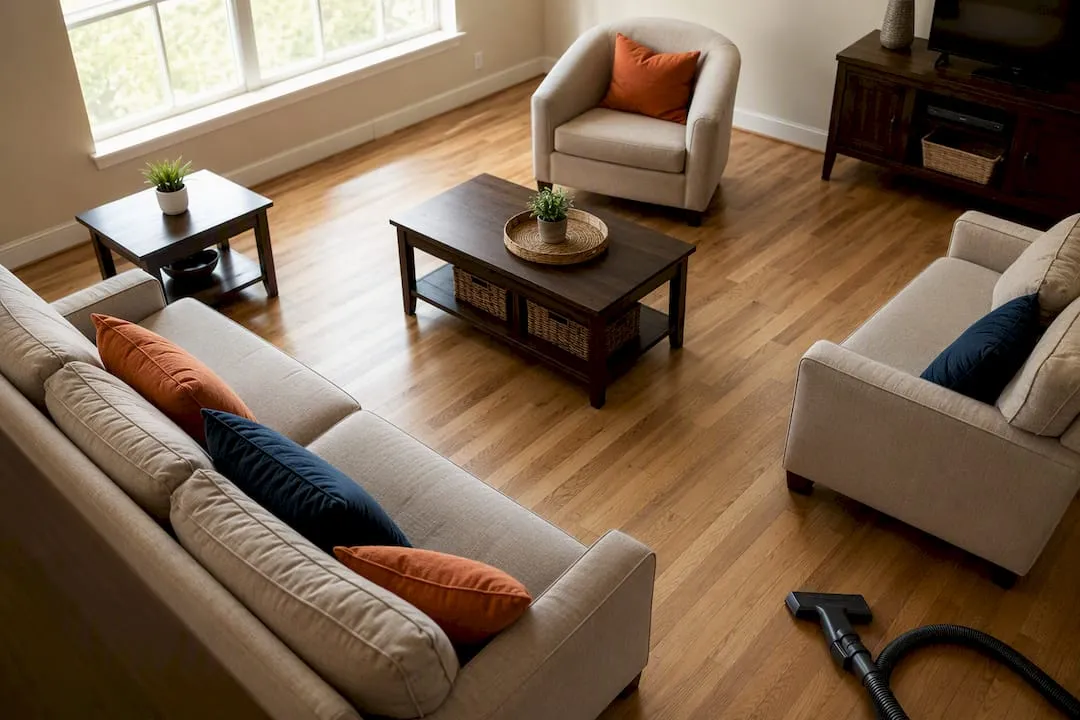
Pro Tip: Arrange furniture with a few inches of clearance behind each piece so your cleaning crew can vacuum and mop without dragging couches across the floor every turnover.
Kitchen: Durable Finishes, Essentials to Stock, and Safety Basics
Quartz or a durable laminate countertop, easy-wipe cabinet hardware, and a coffee maker guests can actually use without a manual, these are the finishes and small appliances that pull weight in kitchen photos and reviews. Guests filter listings on features like reliable coffee setups and adequate cookware, so a bare kitchen quietly costs you bookings.
Sample inventory for a property sleeping six:
- Full cookware set (pots, pans, sheet pan, cutting boards)
- Place settings for at least the max occupancy, plus two extra
- Coffee maker, kettle, toaster, and basic spice starter kit
- Dish soap, sponges, trash bags, and paper towels stocked at check-in
- Add a non-slip mat in front of the sink and stove
- Label cleaning supplies clearly and store them out of easy child reach
- Leave a laminated card with instructions for any nonstandard appliance
Materials, Finishes, and Maintenance-Friendly Choices for Faster Turnovers
The fastest way to blow a design budget is buying something twice. Choose washable slipcovers over dry-clean-only upholstery, stain-resistant rugs over delicate wool, and hard surfaces (quartz, LVP flooring, sealed wood) wherever guests generate the most wear.
- Washable or removable slipcovers on sofas and dining chairs
- High rub-count fabric on any seating that gets daily use
- Stain-resistant, low-pile rugs in dining and entry areas
- Hard, wipeable surfaces on countertops and high-traffic flooring
Set a replacement rhythm: linens and towels every 12 to 18 months depending on wash frequency, cookware as it shows wear, and rugs sooner in high-traffic entries. Reducing loose accessories and choosing washable materials both protects your investment and shortens the time your cleaning crew spends per turnover.
Pro Tip: Splurge on the sofa, mattress, and window coverings, the pieces guests touch and notice most, and save on decorative accents you plan to rotate anyway.
Lighting, Art, and Local Touches That Elevate Photos and Guest Experience
Layered lighting does more for your listing photos than almost any furniture purchase. Combine ambient (overhead), task (reading lamps, under-cabinet), and accent (a floor lamp, string lights on a patio) in every main room, and add dimmers or smart bulbs so the space adjusts from daytime work to evening ambiance.
- Ambient light in every room, not just overhead fixtures
- Task lighting at desks, nightstands, and kitchen counters
- Accent lighting to add warmth in evening photos
For art, choose neutral, destination-appropriate pieces, a local landscape print, not anything overtly political or religious, and give each room one statement piece rather than a cluttered gallery wall. Shoot photos during golden hour and clear counters of personal items first.
Pro Tip: Turn off overhead lights and shoot with lamps and natural window light for a warmer, more inviting listing photo.
Amenities and Tech Guests Expect in 2026
Guests filter listings on specifics now, not vibes. Reliable Wi-Fi (fast enough for video calls), outlets or USB ports at every bedside, a smart TV with major streaming apps pre-logged, and a small desk with a proper chair for remote workers are close to table stakes.
- Fast, clearly labeled Wi-Fi with the password posted in-unit
- Bedside outlets and USB charging within arm’s reach
- Smart TV with streaming apps set up, not just a “smart-capable” box
- A workspace: desk, task lamp, chair that isn’t a dining chair
A few extras produce outsized review mentions relative to their cost: a solid coffee setup, strong water pressure, and in-unit laundry. Keep tech accessible for guests but mounted or secured well enough that turnover staff aren’t resetting cables every cleaning cycle.
Safety Basics, Accessibility, and Clear House Rules
Smoke and carbon monoxide detectors, a fire extinguisher, a stocked first-aid kit, and secure locks on every exterior door are the floor, not the ceiling, for a responsible listing.
- Smoke and CO detectors on every level
- Fire extinguisher in the kitchen, visible and unexpired
- First-aid kit stocked and easy to find
- Emergency contact info posted somewhere obvious, digital and physical
- Add grab bars in bathrooms where feasible, a low-cost fix with a real accessibility payoff
- Clear walkways of trip hazards, especially rugs and cords
- Flag “not suitable for mobility issues” honestly in your listing if stairs are unavoidable
- Keep house rules to one page, digital guide and printed copy both
Staging and Photography That Convert Browsers Into Bookings
Design work that never gets photographed properly is design work wasted. Before the shoot: make every bed, set the dining table, add one statement prop per room, and clear every personal item off counters and shelves. Clutter-free staging with one distinctive piece per room measurably improves how often listings get saved and shared.
- Beds made, corners tucked, throw pillows fluffed
- One statement prop per room, then nothing else on surfaces
- Curtains open, lights on, personal items removed entirely
- Shoot interiors during soft midday or golden-hour light
- Capture the exterior at twilight if the property has curb appeal
- Use a drone shot if the setting (waterfront, mountain, large lot) justifies it
- Give the photographer a shot list: hero room, kitchen, primary bedroom, one lifestyle angle
A dedicated photography guide for short-term rentals is worth reading in full before your first shoot. DIY photos rarely match professional lighting and lens work, and the gap shows up directly in click-through rates.
Sample Budgets, Realistic Timelines, and a Simple ROI Rule of Thumb
Design decisions map to three measurable stages: stopping the scroll with photos, converting browsers with accurate and appealing listings, and creating repeat-booking experiences. Budget accordingly rather than spreading money evenly across every category.
A simple ROI formula: (new ADR minus old ADR) × projected annual booked nights, divided by total refresh cost, gives you a rough payback period in months. Raising ADR by $25 a night across 200 booked nights nets $5,000 a year, which pays back a $5,000 refresh in roughly 12 months if occupancy holds steady.
- Photography and staging typically claim the smallest slice but the fastest payback
- Bedding and mattresses come next in ROI speed
- Furniture and structural work take longest to pay off but last years longer
Quick Design Rules: 3-5-7, 70/30, Focal Points, and Layering
A handful of rules make shopping and styling decisions faster, especially when you’re furnishing multiple units on a deadline.
- 3-5-7 grouping rule: cluster objects in odd numbers for a natural, balanced look on shelves and mantels
- 70/30 rule: 70% neutral base, 30% color or pattern in swappable accents
- Focal point: every main room needs one thing the eye lands on first, a bed, a fireplace, a piece of art
- Layering: mix textures (wood, textile, metal) so a photo doesn’t read flat
What’s the fastest rule to apply while shopping? The 70/30 split. It tells you instantly whether a bold item belongs in your cart or your “maybe next refresh” list.
How do I find my focal point if a room has none? Pick the largest fixed feature, a window, a bed, a fireplace, and design outward from it.
Design Choices That Reduce Turnover Time and Maintenance
Every accessory you add is something your cleaning team has to move, dust, or replace. Washable slipcovers, fewer decorative loose items, accessible closet systems, and simple storage bins cut turnover minutes without cutting guest experience. Fewer loose accessories and washable materials directly speed up cleaning transitions between guests.
A short checklist your cleaning team can run every turnover:
- Strip and reset all bedding with the second set on standby
- Wipe hard surfaces instead of laundering soft ones where possible
- Restock consumables from a fixed pantry list, not memory
- Photograph any damage immediately for maintenance tracking
Property managers using automated turnover and maintenance tracking report saving several hours a week that used to go into manual coordination between cleaning crews and owners, time that goes straight back into guest communication and portfolio growth.
Clear industry terminology around vacation rental operations also helps when handing this checklist to a new cleaning partner or team member.
Author Perspective: The Design Choices We Recommend Most Often
Three investments outperform everything else we’ve seen: the bed, the photos, and durable seating. Prioritize the bed, photos, and durable seating. The mistake we watch owners make over and over is over-styling, adding throw pillows, trays, and decorative objects, while the sofa fabric pills after four months of guest traffic. Choosing one cohesive style and spending where guests actually notice beats a Pinterest-perfect room that falls apart by the third turnover.
Function first, decoration second. A guest remembers a great mattress far longer than a curated bookshelf.
— Jose Villeda
Protecting Your Design Investment With Operational Automation
A beautifully designed rental only pays off if every turnover matches the standard you set on day one, and that’s where most owners lose ground: a missed linen swap, a delayed maintenance ticket, a cleaning crew running behind. Realtevoos is the operational layer that keeps your design investment performing the way it did on move-in day, by automating guest messaging, turnover scheduling, and maintenance tracking across every property in your portfolio instead of leaving it to memory and group texts.
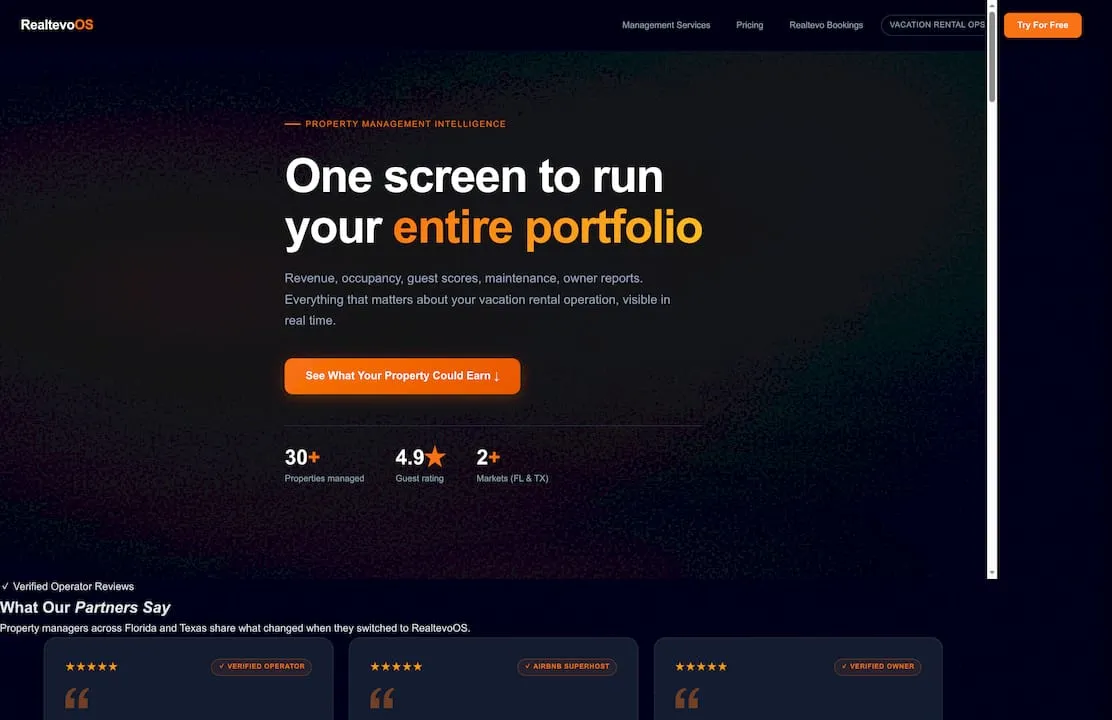
The platform pulls real-time data from Airbnb, Vrbo, and your existing PMS into one dashboard, so a stained rug or a broken lamp gets flagged and resolved before it shows up in a review. That means fewer surprise “buy twice” costs on the furniture and finishes covered in this guide, and more consistent guest experiences that justify the ADR your design work earned. If you’ve just put money into photography, bedding, or durable furniture, protect it: see how the RealtevoOS command center coordinates cleaning, maintenance, and guest communication in one place, and start a trial to see your first automated turnover report.
Frequently Asked Questions
How much should I budget for a vacation rental interior design refresh? A small refresh covering photography, linens, and accents typically runs $2,000 to $5,000. A mid-level refit with new furniture and lighting runs $8,000 to $20,000, and a full redesign starts at a significantly higher budget level.
What’s the single highest-ROI design purchase for a vacation rental? Professional photography combined with hotel-quality linens tends to deliver the fastest visible return, since guests decide to click and book almost entirely on images and perceived comfort.
Do I need a professional interior designer, or can I DIY it? Many owners DIY the styling using a moodboard and the 70/30 rule, but bring in a professional for furniture scale, lighting plans, or full redesigns where mistakes are expensive to reverse.
How often should I update the decor in a vacation rental? Swap replaceable accents (pillows, art, throws) every 12 to 18 months to keep the space feeling current, while keeping the neutral furniture base consistent for years.
What design mistakes hurt bookings the most? Skipping blackout curtains, stocking a bare kitchen, and choosing delicate fabrics that show wear within months are the most common issues that show up directly in guest reviews.
Sources
- How to Furnish a Holiday Rental Property to Get More Bookings - Chekin
- Short Term Rental Design Trends for 2026: What Actually Drives Bookings
- How To Decorate An Airbnb Rental Property - Borderless Pair
- Vacation Rental Interior Design | Full-Service STR Design — 1584 Design